Fluctuation Embroidery Font Review
The Fluctuation Embroidery Font is a fresh and versatile addition to any embroidery designer’s toolkit. As someone who regularly prepares craft fair products, I’ve tested this font on a variety of items, from tote bags to aprons, and it consistently delivers a modern, eye-catching aesthetic that resonates with customers.
First Impressions: Modern Meets Versatile
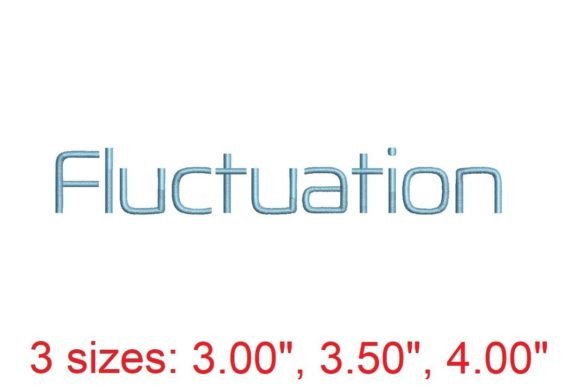
Fluctuation Embroidery Font immediately stands out for its clean, contemporary lines and subtle variation in stroke thickness. It doesn’t scream “farmhouse” or “rustic,” but it carries a premium feel that works well with both casual and elegant designs. Whether you're creating a simple phrase for a tea towel or a bold statement for a tote bag, Fluctuation offers a balance between readability and visual interest.
This font feels like a perfect fit for Back To School-themed items, especially when paired with soft pastel colors or muted tones. It also adds a sophisticated touch to handmade gifts, making it ideal for Etsy sellers looking to elevate their product listings.
Performance Across Craft Fair Products
Fluctuation Embroidery Font shines on a range of craft fair products. On tote bags, it adds a stylish focal point without overwhelming the design. For apron embroidery, it works well as a subtle accent or a main feature, depending on how you scale it. Tea towel embroidery benefits from its clarity, ensuring the text remains legible even when the fabric is slightly textured.
Embroidered patches made with Fluctuation look sharp and professional, especially when using contrasting thread colors. On caps, the font adapts well to curved surfaces, though care must be taken with the stitch density to avoid puckering. Fabric pouches and pillow covers also benefit from its modern appeal, making them stand out on a booth display.
For small shop product creators, Fluctuation is a reliable choice that can be used across multiple items without feeling repetitive. Its versatility makes it a valuable asset for commercial embroidery projects, whether you’re producing for a boutique or selling online.
Practical Selling and Production Points
One of the strongest aspects of Fluctuation Embroidery Font is its adaptability. It works well as a small accent or a large focal design, which means it can be used in various ways depending on your product needs. This flexibility is key for craft fair sellers who want to maximize their design usage across different items.
When it comes to photographing for online listings, Fluctuation looks great in both close-up and wide shots. The font’s clean lines make it easy to capture in high-quality images, which is essential for Etsy sellers and digital sellers aiming to attract buyers.
In terms of batch production, Fluctuation is repeatable and consistent, provided you maintain proper stitch density and use the right stabilizer. It’s important to test the design on scrap fabric before committing to larger runs, especially if you’re working with thick or textured materials.
Careful-Use Notes
While Fluctuation Embroidery Font is generally user-friendly, there are a few considerations to keep in mind. Dense stitch areas may cause the design to look too heavy on certain fabrics, so adjusting the stitch density could help. Tiny details might not hold up well on dark fabric, so testing with different thread colors is recommended.
Small lettering can become less readable at lower sizes, so ensure the font is scaled appropriately for each product. Curved cap surfaces require careful placement to avoid distortion, and textured towels may need additional stabilizer support to maintain clarity.
For those planning to sell finished products, always confirm the commercial licensing terms of the embroidery file. This ensures you’re compliant and can confidently showcase Fluctuation Embroidery Font in your craft fair booth or online store.
Impact on Visual Appeal and Customer Engagement
Fluctuation Embroidery Font enhances the visual appeal of any product it’s applied to. Its modern style catches the eye, making it an excellent choice for booth displays where first impressions matter. Customers often notice the font’s uniqueness, which can lead to more inquiries and sales.
From a brand consistency standpoint, Fluctuation helps create a cohesive look across all your handmade products. This is especially beneficial for boutique makers and creative entrepreneurs who want to build a recognizable identity. It also adds value to each item by giving it a polished, professional finish.
As a craft fair seller, I’ve seen how Fluctuation can drive engagement. It sparks conversation, draws attention, and often leads to repeat customers who appreciate the quality and design of the items they purchase.
Designer Tips for Success
Before finalizing your craft fair product, test the Fluctuation Embroidery Font on scrap fabric. This helps identify any issues with thread contrast, spacing, or hoop size. Ensure the design fits within your hoop and adjust the layout if needed.
Review the stitch density to prevent puckering or distortion, especially on delicate or stretchy fabrics. Use the appropriate stabilizer to keep the design stable during stitching. Creating a real mockup of the design on actual fabric is also a smart move to see how it looks in person.
Compare fabric colors to ensure the font stands out. If you’re using the design for Etsy listings or printable mockups, make sure the color combinations work well in digital formats. Always double-check the commercial licensing of the embroidery file before producing finished products for sale.
Conclusion: A Smart Choice for Craft Fair Sellers
Fluctuation Embroidery Font is a standout design that offers both aesthetic appeal and practicality. It’s ideal for craft fair sellers, handmade product creators, and embroidery business owners looking to add a modern touch to their offerings. With the right approach, it can enhance your booth display, boost customer engagement, and contribute to the success of your small shop product line.