Desard Embroidery Font Review
The Desard embroidery font is a standout choice for boutique apparel and sweatshirt projects. As an experienced embroidery designer, I've tested countless fonts, and Desard has quickly become a go-to for its clean lines, versatility, and professional finish. Whether you're working on custom apparel or handmade products, this Creative Fabrica embroidery design offers a fresh approach to lettering that fits a wide range of styles.
First Impressions: Visual Personality and Stitching Mood
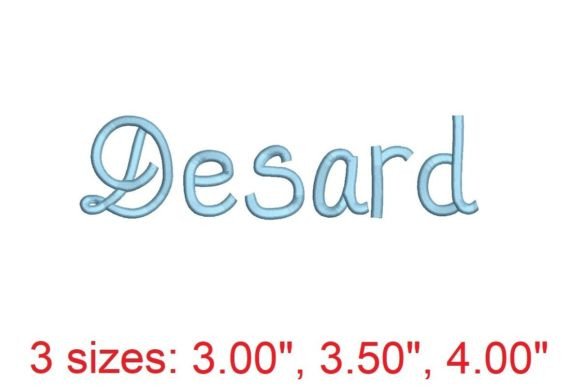
From the moment I viewed the Desard font, I was struck by its modern yet timeless aesthetic. It carries a subtle elegance that feels both premium and approachable. The typeface has a slightly rounded edge that gives it a friendly, inviting feel, making it ideal for Back To School campaigns or casual wear. At the same time, its sharpness and clarity make it suitable for more formal designs, such as business attire or upscale boutique merchandise.
When stitched, Desard maintains a high level of detail without appearing overly intricate. This makes it perfect for small placements like sleeve accents or chest logos where clarity is key. Its stitching mood leans toward the minimalist side, but with enough structure to stand out on its own.
Performance Across Apparel Types
For sweatshirt embroidery, Desard shines in both bold and subtle applications. On neutral-colored sweatshirts, it adds a refined touch that elevates the overall look. When paired with pastel hoodies, the font’s clean lines create a soft, cohesive design that complements the garment’s tone. On dark apparel, the contrast between the font and fabric is striking, making it ideal for back designs or oversized garments.
On t-shirts, Desard works well for simple text-based embroidery, especially when using a limited number of thread colors. For denim jackets, the font holds up nicely, even with the texture of the fabric. Tote bags benefit from its readability and visual appeal, making it a great option for printable mockups or social media graphics.
Where Desard Excels: Practical Applications
- Sweatshirt embroidery: Desard offers a balanced look that doesn’t overwhelm the garment. It's particularly effective for short phrases or single words.
- Hoodie chest placement: The font’s size and spacing work well for standard chest placements, ensuring legibility without overcrowding the space.
- Sleeve accents: Desard’s simplicity allows it to be used as a subtle accent on sleeves, adding a touch of sophistication.
- Back designs: Larger versions of Desard are perfect for back embroidery, offering a clean and professional appearance.
- Tote bag design: Its minimalistic style pairs well with tote bags, creating a stylish and functional design element.
Considerations for Specific Fabrics and Designs
When working with stretchy fabrics like fleece or ribbed material, it's important to use the right stabilizer to prevent distortion. Desard’s stitch density is moderate, so it should hold up well on most materials, but testing on scrap fabric is always recommended.
On curved surfaces, such as the back of a hoodie or the curve of a sleeve, Desard maintains its shape and clarity. However, for very tight curves, slight adjustments may be necessary to ensure the letters remain legible.
For tiny lettering, Desard remains readable without sacrificing detail. This makes it a good choice for personalized items or small tags on boutique merchandise.
Impact on Brand Identity and Customer Engagement
Using Desard can significantly enhance the visual consistency of a brand. Its clean, modern look helps establish a professional image, which is crucial for handmade products or small shop products looking to build trust with customers.
As an Etsy seller or digital seller, having a consistent font across all products improves product recognition and customer engagement. Desard’s versatility means it can be used across different items—t-shirts, tote bags, and even seasonal outfits—without feeling repetitive or unoriginal.
Embroidery Designer Notes: Best Practices
To get the best results with Desard, consider the following tips:
- Test on scrap fabric: Always test the embroidery file on the actual fabric you plan to use.
- Check stabilizer choice: Use a suitable stabilizer for stretchy or delicate fabrics to prevent puckering or distortion.
- Review thread color contrast: Ensure the thread color complements the fabric for maximum visibility.
- Confirm hoop size: Make sure your hoop can accommodate the size of the design you’re working on.
- Inspect stitch density: Desard’s moderate stitch density is ideal for most applications, but adjust if needed for specific fabrics.
- Test on similar garment fabric: Simulate the final product by testing on the same type of fabric you’ll use for the finished product.
- Compare placement options: Experiment with different placements to find what looks best on each garment.
- Check Creative Fabrica product details: Confirm file format, licensing, and machine compatibility before purchasing or selling.
Final Thoughts: A Versatile Addition to Your Embroidery Toolkit
Desard is a strong contender for anyone looking to elevate their custom apparel or commercial embroidery projects. Its balance of style and functionality makes it a valuable addition to any embroidery shop or boutique brand. Whether you're designing for Back To School, seasonal outfits, or everyday wear, Desard offers a reliable and visually appealing option that stands out without being overwhelming.
As an embroidery designer, I recommend giving Desard a try for your next project. Its clean lines, adaptability, and professional finish make it a solid choice for a wide range of applications. Just remember to test it thoroughly and consider the specific needs of your fabric and design before finalizing your work.