Deconfined Font Review
As an embroidery designer with years of experience, I’ve seen my fair share of fonts that look great on screen but fall apart in real life. Deconfined Font is one that caught my attention not just for its aesthetic appeal, but for how it translates to actual embroidery projects. Whether you're working on custom apparel, personalized gifts, or small business merchandise, this font has a lot to offer—but it also comes with some considerations.
The First Impression
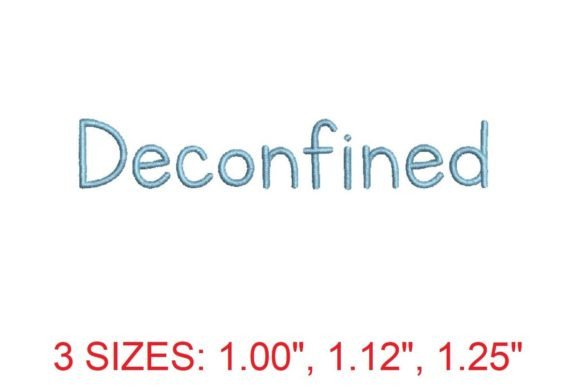
From the moment I opened the Deconfined Font file, I was struck by its bold and modern feel. The lettering has a clean, almost geometric structure that gives it a sense of confidence and clarity. It’s not overly ornate, which makes it versatile, but it still carries enough personality to stand out in a crowd. The design feels like it was made with both style and function in mind, which is exactly what I look for in a machine embroidery design.
The layout of the font is well-balanced, with consistent spacing and clear character shapes. This makes it ideal for projects where readability is key, such as tote bag designs, sweatshirt embroidery, or baby items. The visual personality of Deconfined Font leans toward contemporary and minimalist, making it a strong choice for Back To School themes, holiday gifts, or boutique branding.
Real-Life Embroidery Performance
I tested Deconfined Font on a few different fabrics to see how it performed in real-world scenarios. On cotton t-shirts and tote bags, it looked sharp and legible, especially when using a satin stitch. The detail level is good enough for most applications, but I noticed that some of the finer lines could get lost if the stitch density is too low. That’s something to keep in mind when adjusting your settings.
When I tried it on a baby onesie, the font held up well, though I would recommend using a stabilizer to prevent any stretching or distortion. For more textured fabrics, like denim or canvas, the font still worked, but the stitch density needed to be adjusted slightly to avoid puckering. It’s also worth noting that on dark fabrics, the contrast between the thread color and the background becomes crucial—light-colored threads might not show up as well as expected.
One area where Deconfined Font really shines is in custom apparel. Whether it’s a sweatshirt, cap, or apron, the font adds a professional touch without being too flashy. It’s also a solid choice for embroidered patches or small shop merchandise, where a clean and recognizable design can make all the difference.
Where to Use It Carefully
While Deconfined Font is versatile, there are certain situations where it may not perform as well. Small hoop sizes can be a challenge, especially if the design includes intricate details or tight curves. If you’re working on a cap or a curved surface, you’ll need to make sure the design is scaled appropriately to avoid distortion.
Thin or stretchy fabrics can also be tricky. Without proper stabilizer, the stitches may not hold up, especially if the fabric moves during the embroidery process. Similarly, dense stitch areas or layered garments may cause the design to look cluttered or uneven. In these cases, it’s better to simplify the design or use a running stitch instead of a fill stitch.
For decorative accents or tiny lettering, Deconfined Font may not be the best choice. Its size and structure work best when used in larger formats, such as on a tote bag design or a pillow cover. If you’re planning to use it for a printable mockup or digital product preview, make sure to test it in both light and dark backgrounds to ensure visibility.
Impact on Visual Appeal and Customer Perception
One of the things I appreciate most about Deconfined Font is how it enhances the visual appeal of a finished product. When properly stitched, it adds a polished look that elevates the overall quality of a handmade product or personalized gift. This, in turn, can boost customer trust and satisfaction, especially for Etsy sellers or craft business owners looking to stand out in a competitive market.
The font also contributes to brand consistency. If you’re using it across multiple products, such as a line of holiday embroidery or Back To School merchandise, it helps create a cohesive and professional appearance. This is especially important for small shop products or boutique branding, where a strong visual identity can make a big difference.
From a buyer engagement perspective, Deconfined Font offers a balance between uniqueness and approachability. It’s not too unusual to be off-putting, but it still has enough character to catch the eye. This makes it a great option for giftable items, whether it’s a custom apron, a baby item, or a holiday ornament.
Practical Designer Notes
Before finalizing any project with Deconfined Font, I always recommend testing it on scrap fabric first. This allows you to see how the stitches interact with the material and adjust settings as needed. Checking thread color contrast is also essential—especially if you’re working with dark or patterned fabrics.
Reviewing the stitch density is another key step. Too high, and the design may look stiff; too low, and it may lose its definition. Confirming the correct hoop size is equally important, particularly for complex designs or curved surfaces. Inspecting small details, like corners or thin lines, can help prevent issues during the stitching process.
Testing the design in black and white mockups can also give you a better idea of how it will look on different backgrounds. Comparing it against both light and dark fabric options ensures that it remains visible and effective in all contexts. Using the right stabilizer is another must, especially for delicate or stretchy materials.
Finally, if you plan to use Deconfined Font for commercial projects or sell finished items, make sure to check the licensing terms. While the font is described as compatible with PES files, it’s always wise to confirm the specifics before moving forward.
Final Thoughts
Deconfined Font is a solid addition to any embroidery designer’s toolkit. Its clean lines, modern aesthetic, and versatility make it suitable for a wide range of projects, from custom apparel to holiday gifts. However, like any machine embroidery design, it requires careful consideration of factors like fabric type, hoop size, and stitch density to achieve the best results.
If you’re looking for a font that balances style with practicality, Deconfined Font is definitely worth exploring. Just remember to test it thoroughly and adapt it to your specific needs. Whether you’re an Etsy seller, a craft business owner, or a hobbyist, this font has the potential to elevate your work and enhance the value of your finished products.