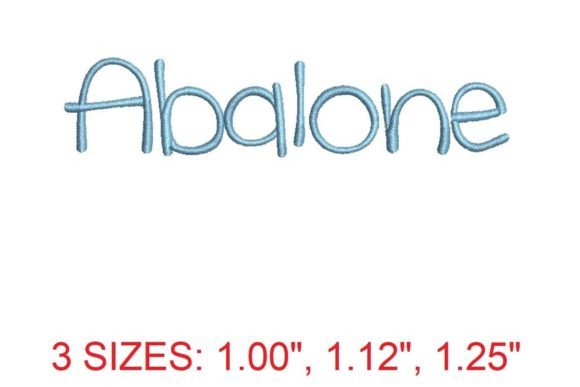
Abalone Font: Elegant Embroidery Design
The Abalone font is a standout machine embroidery design that brings a refined and elegant touch to personalized gift products. As an experienced embroidery designer, I was eager to test this font for use in my custom embroidery shop, especially for items like baby blankets, wedding keepsakes, and handmade products. From the first glance, the Abalone font exudes sophistication, making it ideal for those who want to elevate their embroidered creations with a touch of class.
First Impressions: A Touch of Elegance
When I first saw the Abalone font, I was struck by its clean lines and subtle detailing. It has a soft, almost organic feel that feels both modern and timeless. The font carries a quiet charm, making it perfect for sentimental gifts that need to convey warmth and care. Whether used for monogramming or as a central design element, the Abalone font adds a level of detail that makes any embroidered item feel special.
This font is particularly well-suited for handmade products that aim to evoke emotion. It’s not overly ornate, but its balance of simplicity and elegance gives it a versatile appeal. It can be used on baby embroidery, wedding gifts, or even family keepsakes, offering a sense of tradition without feeling outdated.
Practical Uses for Abalone Font
The Abalone font works exceptionally well across a wide range of personalized gift items. For baby products, such as embroidered blankets or onesies, it provides a gentle, refined look that parents will appreciate. Its legibility ensures that names or initials are clear, while the overall style remains soft and inviting.
For wedding gifts, the font adds a romantic and sophisticated flair. Whether it’s a pillow cover, apron, or custom tote bag, the Abalone font enhances the overall aesthetic, making the gift feel more thoughtful and intentional. It also pairs beautifully with traditional color palettes, adding a touch of luxury to any embroidered item.
In the realm of home decor, the Abalone font shines on embroidered towels, pillow covers, and nursery items. Its detailed yet uncluttered design allows it to stand out without overwhelming the fabric. It’s also a great choice for small shop products, such as craft fair items or Etsy listings, where visual appeal and uniqueness are key.
Considerations for Use
While the Abalone font is versatile, there are certain scenarios where it may require extra attention. For instance, when working with small lettering, it’s important to ensure that the stitch density is sufficient to maintain clarity. On delicate fabrics or textured materials, the design may appear slightly less defined, so testing on scrap fabric before production is always recommended.
When using the Abalone font on thick towels or stretchy baby clothes, it’s essential to check the hoop size and stabilizer type. These factors can affect how the design sits on the fabric and whether it maintains its shape after washing. Similarly, on dark fabrics, the thread colors must provide enough contrast to make the design visible and impactful.
Curved surfaces or irregular shapes can also challenge the font’s appearance. In such cases, adjusting the design or choosing a different font might be necessary. Additionally, for products that will be washed frequently, ensuring the design is properly stabilized and stitched is crucial to maintaining its quality over time.
Impact on Giftability and Customer Perception
The Abalone font significantly enhances the giftability of any product it’s used on. Its refined appearance makes it ideal for occasions where the gift needs to feel meaningful and memorable. Customers are often drawn to handmade products that have a personal touch, and the Abalone font helps create that sense of individuality and care.
From a business perspective, using the Abalone font can boost perceived value. It signals to customers that the product is crafted with attention to detail, which builds trust and encourages repeat purchases. This is especially important for Etsy sellers or small shop owners looking to stand out in a competitive market.
The font also plays a role in product photography. When captured well, the Abalone font can add visual interest and help the product stand out in online listings. It contributes to a cohesive brand image, reinforcing the idea of quality and craftsmanship.
Embroidery Tips for Success
To get the best results with the Abalone font, I recommend starting with a test on scrap fabric. This allows you to see how the design looks in real life and make any necessary adjustments. Checking thread color contrast is also important—especially on dark fabrics—to ensure the design is visible and aesthetically pleasing.
Confirming the correct hoop size is another key step. If the design is too large for your hoop, it may not stitch properly, leading to distortion or incomplete embroidery. Reviewing the stitch density is equally important; too low and the design may look sparse, too high and it could cause fabric puckering.
Using the right stabilizer is essential, especially when working with delicate or stretchy fabrics. It helps keep the design in place and prevents shifting during the stitching process. Comparing mockups on both light and dark fabrics can also help you decide the best color options for your project.
After stitching, take the time to check small details to ensure everything is clean and precise. Finally, always confirm the commercial licensing terms before selling finished products. This ensures that you’re compliant and can confidently offer the Abalone font as part of your custom embroidery services.
Conclusion: A Versatile Choice for Personalized Gifts
The Abalone font is a valuable addition to any embroidery designer’s collection. Its elegant and refined style makes it suitable for a wide range of personalized gift products, from baby items to wedding keepsakes. With proper testing and attention to detail, it can elevate the quality and appeal of your handmade products, helping you connect with customers who value beauty, meaning, and craftsmanship.